The Planets

Explore every planet of the solar system — facts, size, distance, day length and temperature, each with a live rotating 3D view. Then watch them all move together in the 3D Solar System Simulator. Free, no sign-up.

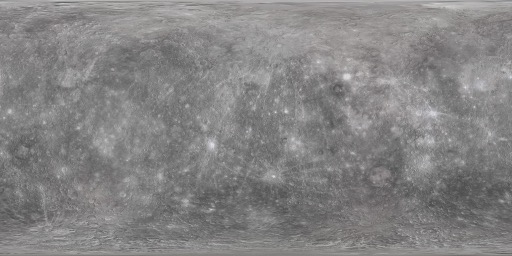
Mercury

Mercury

The smallest planet and the closest to the Sun, a cratered world of extreme temperature swings.

0.387 AU from the Sun · 0 moons
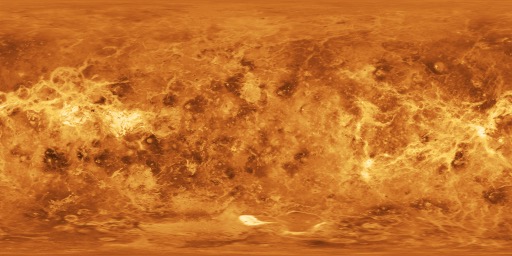
Venus

Venus

Earth's scorching twin, wrapped in a thick toxic atmosphere that traps heat in a runaway greenhouse.

0.723 AU from the Sun · 0 moons
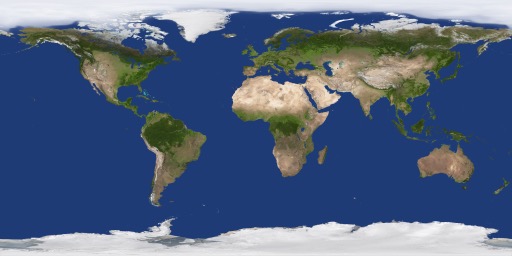
Earth

Earth

Our home world — the only known planet with liquid water on its surface and life.

1 AU from the Sun · 1 moon
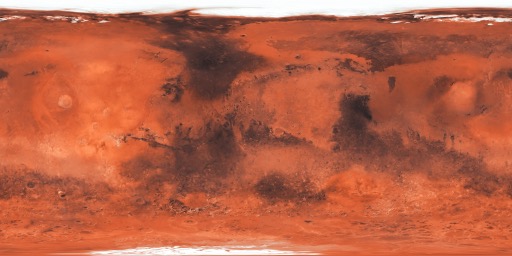
Mars

Mars

The cold, rusty Red Planet, home to the tallest volcano and deepest canyon in the solar system.

1.524 AU from the Sun · 2 moons
Jupiter

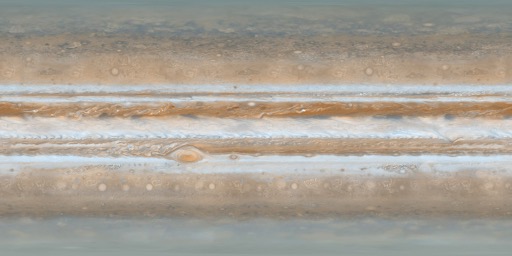
Jupiter

The largest planet, a giant ball of gas with a centuries-old storm and dozens of moons.

5.203 AU from the Sun · 95 moons
Saturn

Saturn

The ringed giant, famous for its bright, wide system of icy rings.

9.537 AU from the Sun · 146 moons

Uranus

Uranus

An ice giant that rotates on its side, wrapped in a pale blue-green haze of methane.

19.191 AU from the Sun · 28 moons
Neptune

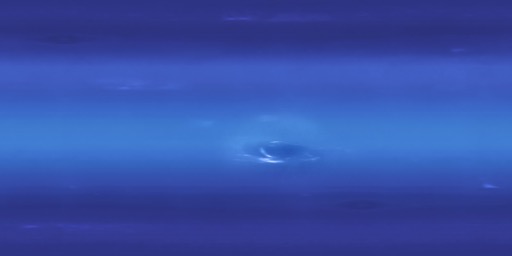
Neptune

The windiest planet, a deep-blue ice giant on the far edge of the planetary system.

30.069 AU from the Sun · 16 moons

Frequently Asked Questions

What are the eight planets in order?
In order from the Sun: Mercury, Venus, Earth, Mars, Jupiter, Saturn, Uranus and Neptune. The first four are small, rocky terrestrial planets; the outer four are giant planets — two gas giants (Jupiter, Saturn) and two ice giants (Uranus, Neptune).
Why isn't Pluto a planet?
In 2006 the International Astronomical Union defined a planet as a body that orbits the Sun, is round, and has cleared its orbital neighbourhood. Pluto shares its region with many other icy bodies, so it is classified as a dwarf planet. You can still see Pluto in the 3D Solar System Simulator.
Are these 3D views to scale?
Each planet page shows that planet rendered from real texture maps, sized to fill the view so you can see its surface. For real relative sizes and positions of all the planets together, open the 3D Solar System Simulator, which computes their positions in your browser.